Process
The FourPhases.
Design and code are never handed from one person to another, so nothing gets lost on the way from idea to launch.
01 / 04
Discover
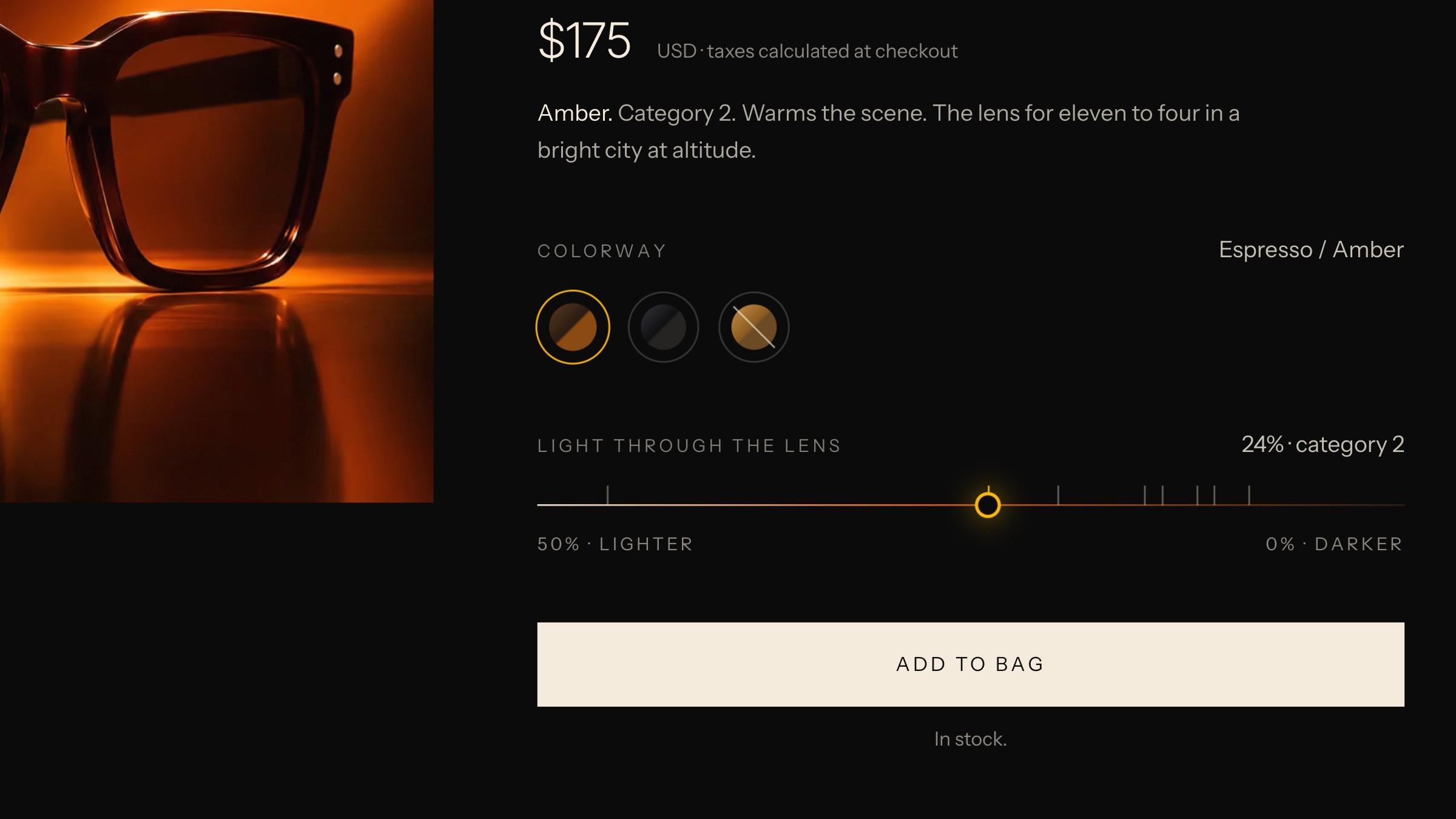
Start with the problem, not the pixels.
Before anything is drawn, we get clear on what the project is for: who it serves, what it has to do, and what would make it a success. The constraints get written down early so they shape the work instead of surprising it.
- 01Goals & scope
- 02Audience
- 03References
02 / 04
Design
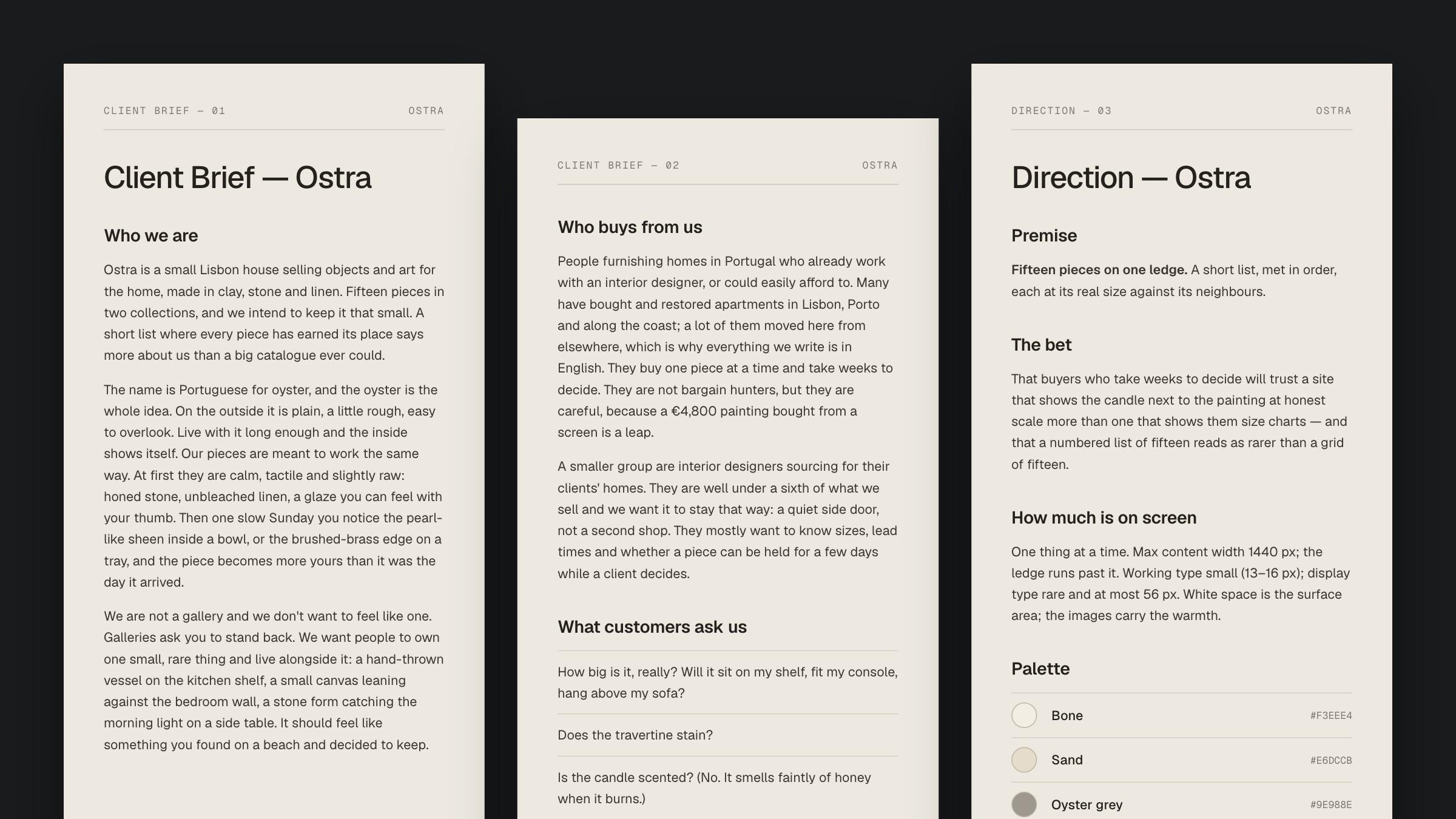
Layout, type and motion, designed together.
Structure comes first, then the visual language, then how it moves. I work in the browser as early as possible, because an interface is something you feel — and a static picture can't tell you whether it feels right.
- 01Direction
- 02Key screens
- 03Motion studies
03 / 04
Develop
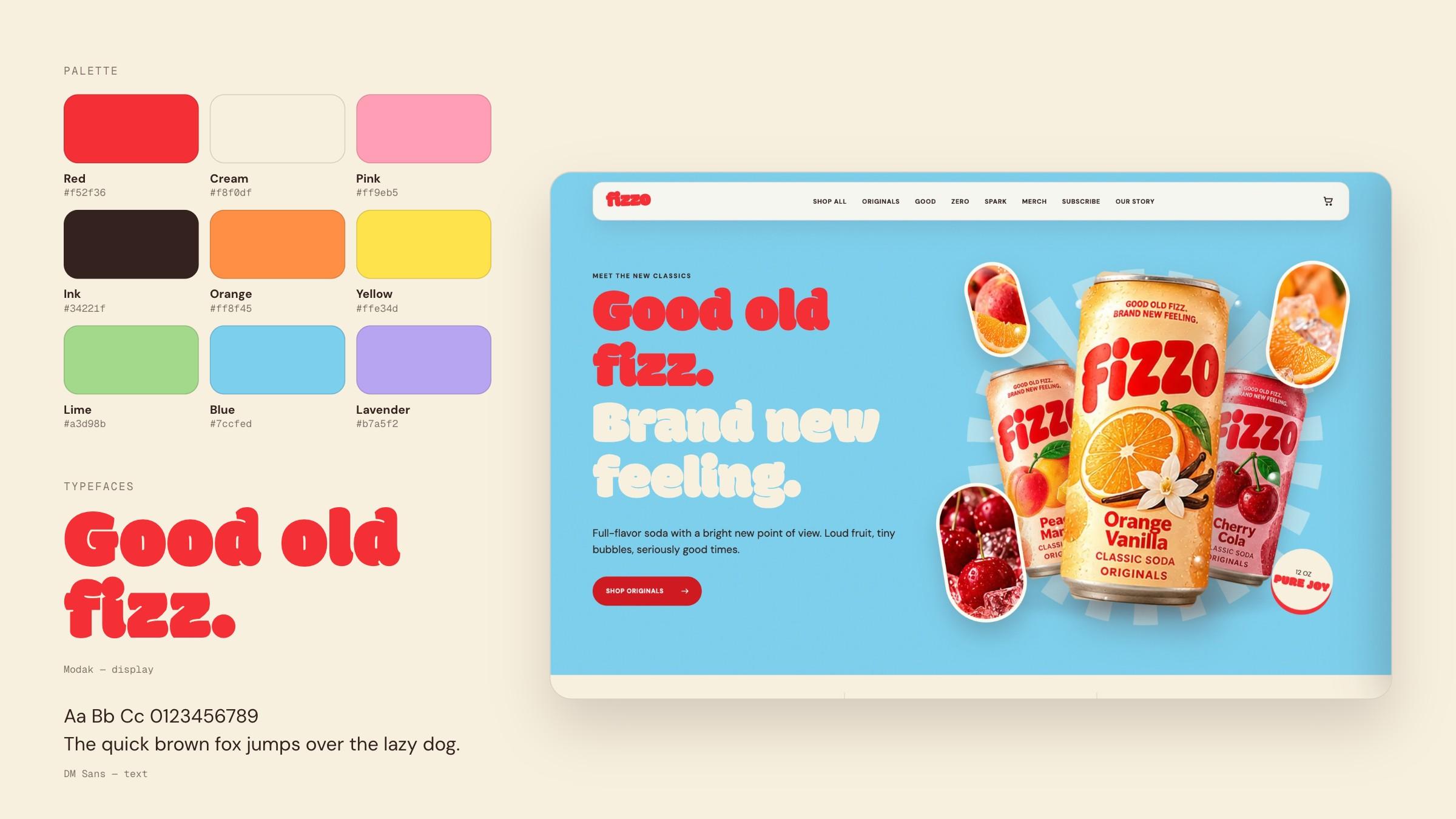
A real build, with real content, early.
The design becomes a working site, built from reusable pieces. Every screen size is designed for on purpose, keyboard and screen-reader access is part of the build, and speed is treated as a design decision.
- 01Components
- 02Interactions
- 03Responsive build
04 / 04
Refine
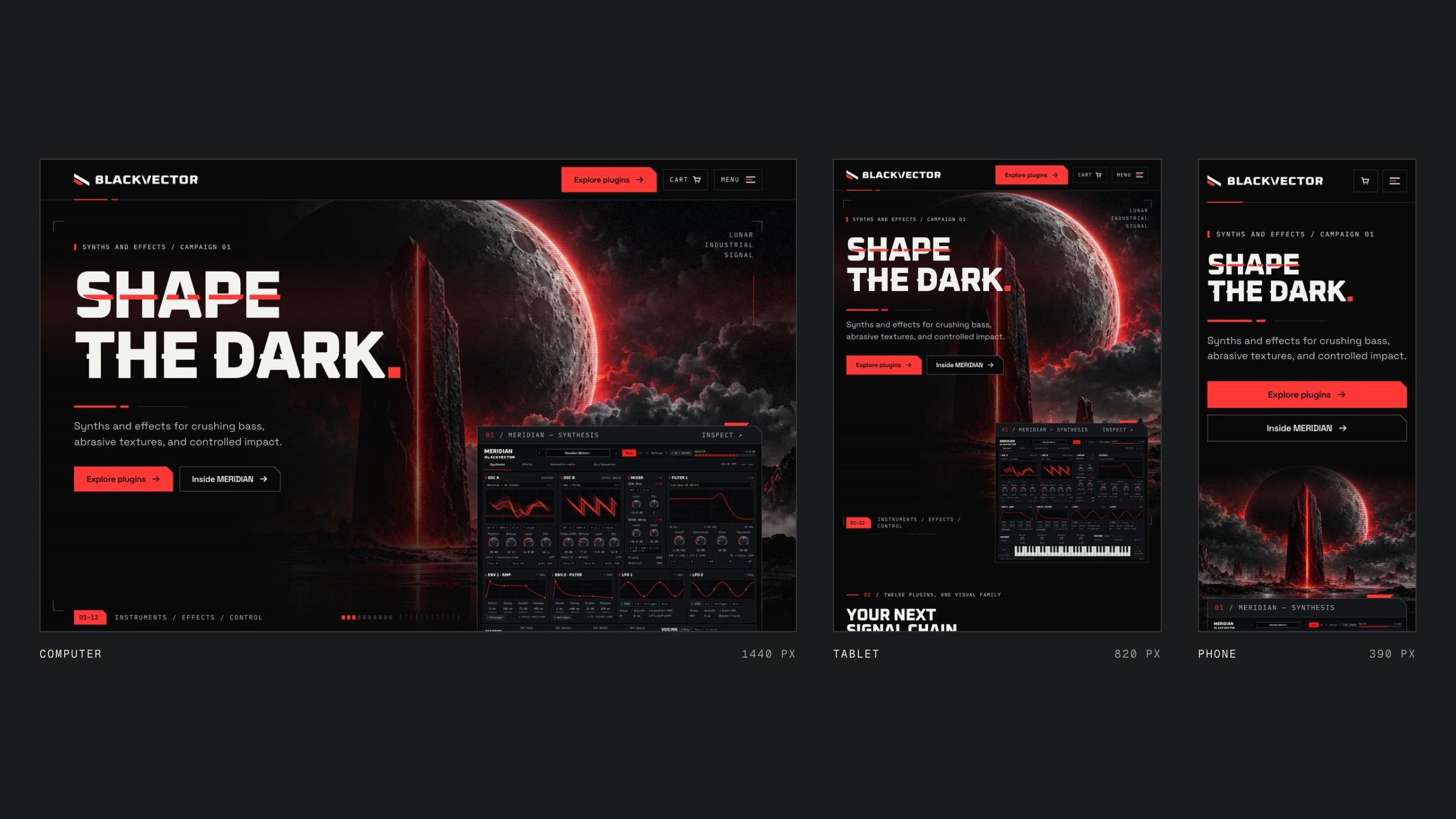
Tune it until nothing feels accidental.
This is where the work becomes memorable. Timing, spacing and edge cases are adjusted by hand, the whole thing is tested on real devices, and then it ships.
- 01Polish
- 02Testing
- 03Launch